
How to Protect Your Hearing as You Age and Stay Connected
Hearing is easy to take for granted until everyday moments start to feel harder. A conversation in a café becomes tiring. The television seems unclear. A familiar voice sounds quieter than it used to.
Our hearing helps us enjoy music, recognise voices, follow conversations and feel part of family life. As we get older, hearing changes become more common, but that does not mean they should be ignored. Small, sensible habits can help protect hearing health, and early support can make communication feel easier again.
Discover practical ways to protect your hearing as you get older, recognise hearing changes and maintain communication with the people you love. This guide explains what can change with age, how to look after your ears, and when to seek professional advice.
This article is for general information only and is not a substitute for personalised medical or audiology advice.

Why hearing often changes with age
Age-related hearing loss is usually gradual. It can develop slowly enough that the first signs are easy to miss.
Many people notice that they can hear someone speaking, but cannot always understand the words. This often happens because age-related changes tend to affect higher-frequency sounds first. These sounds play a key role in speech clarity, especially consonants such as “s”, “f”, “th” and “t”.
That can make speech sound muffled, even when the volume seems loud enough.
Common early signs include:
Asking people to repeat themselves more often
Struggling to follow conversation in restaurants or group settings
Turning the television up higher than other people prefer
Feeling that others are mumbling
Finding phone calls harder to follow
Avoiding noisy places because listening feels tiring
Hearing changes can also affect confidence. When listening takes more effort, social situations may feel less enjoyable. The good news is that a hearing assessment can give a clearer picture of what is happening and what support may help.
Six simple ways to look after your hearing
Protecting hearing does not require complicated routines. A few practical habits can make a real difference over time.
1. Avoid excessively loud noise
Long-term exposure to loud sound can damage the delicate structures inside the ear. This can happen at concerts, sporting events, busy bars, workshops, or when using headphones at high volume.
A useful rule is simple: if you need to raise your voice to speak to someone nearby, the environment may be loud enough to affect your hearing.
When possible, step away from loudspeakers, take quiet breaks and keep headphone volume at a comfortable level.
2. Wear suitable hearing protection
If loud noise is part of daily life or regular hobbies, hearing protection matters.
This could include:
Earplugs for concerts or live music
Ear defenders for power tools or machinery
Specialist protection for shooting, motorsport or music performance
Swim plugs if water exposure causes recurring ear issues
The right protection should reduce noise without making everything feel blocked or uncomfortable.
3. Do not ignore hearing changes
It is common to adapt without realising it. People may start lip-reading more, choosing quieter venues, or relying on family members to repeat information.
If hearing changes begin to affect daily life, arrange a professional hearing assessment. Early advice can prevent months or years of unnecessary frustration.
A hearing assessment can show whether the issue is hearing loss, wax build-up, ear health, or another factor that needs attention.
4. Avoid putting objects into your ears
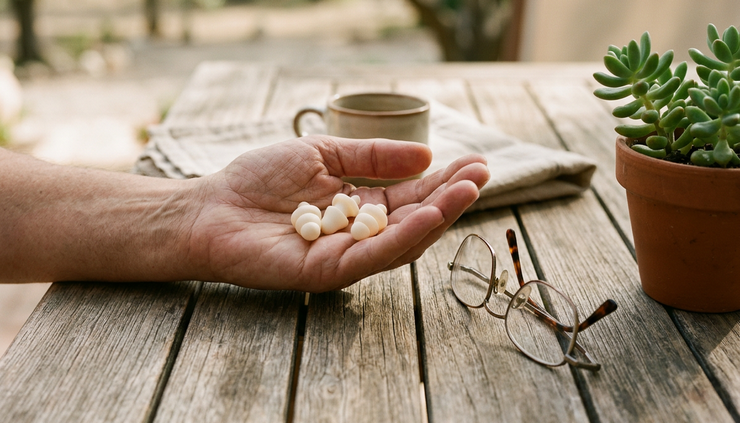
Cotton buds, hairpins and other objects can push wax deeper into the ear canal. They can also scratch the skin or cause injury.
Earwax is normal. It helps protect the ear canal. Problems start when wax builds up, blocks the ear, or causes discomfort. If this happens, professional ear care, such as microsuction where appropriate, is a safer option than trying to remove it yourself.
5. Take care of your general health
Hearing health is linked to wider wellbeing. Conditions that affect circulation, general health and nerve function can also be relevant to the ears.
Healthy habits can support the body as a whole:
Stay physically active in a safe, realistic way
Manage long-term health conditions with a healthcare professional
Eat a balanced diet
Avoid smoking
Discuss medication concerns with a doctor or pharmacist
Never stop prescribed medication without medical advice. If you feel a medicine may be affecting hearing, speak to a qualified healthcare professional.
6. Arrange regular professional hearing assessments
A hearing test gives useful information, even if the result shows only mild changes. It creates a baseline, making future changes easier to track.
For many people, a professional assessment also brings reassurance. If hearing aids or other support are suitable, the advice should reflect lifestyle, communication needs and budget.
This is where personalised care matters. Hearing is not just about volume. It is about clarity, comfort and confidence in real situations.
Better hearing can support better connection
Hearing difficulties can change how people take part in daily life. A busy lunch, a family gathering or a walk with a friend can become harder when speech is unclear.
Some people start to withdraw without meaning to. They may avoid group conversations or stop going to noisy places because the effort feels too much.
Addressing hearing difficulty can help restore confidence. When speech becomes clearer, listening often feels less tiring. That can make it easier to join conversations, respond naturally and enjoy time with others.
Modern hearing aids, when appropriate, are far more personal than many people expect. They can be adjusted to suit different listening environments, from quiet rooms to social settings. The best results usually come from careful fitting, realistic guidance and ongoing support.
Personalised hearing care on the Costa Blanca
At Happy Ears Audiology, hearing care starts with a conversation. The aim is to understand not only the hearing test results, but also the person’s lifestyle, concerns and priorities.
The clinic in Dehesa de Campoamor offers a relaxed setting for professional hearing support, including:
Hearing assessments
Personalised hearing aid fitting
Microsuction earwax removal
Hearing aid servicing
Ongoing aftercare and advice
For anyone searching for How to Protect Your Hearing as You Age | Happy Ears Costa Blanca, the most useful first step is a clear, professional assessment. It can help explain what has changed and what options may make everyday listening easier.
Hearing care should never feel rushed. A good appointment gives time for questions, practical guidance and honest recommendations.
Take the first step towards easier listening
Protecting hearing as you age is not about waiting until communication becomes difficult. It is about noticing changes early, reducing avoidable noise exposure, caring for your ears safely and asking for help when needed.
Better hearing can make everyday life feel more connected, from clearer conversations at home to more confidence in social settings.
If hearing has started to feel harder, a simple conversation with Happy Ears Audiology could be the first step towards hearing better and living better.


Comments